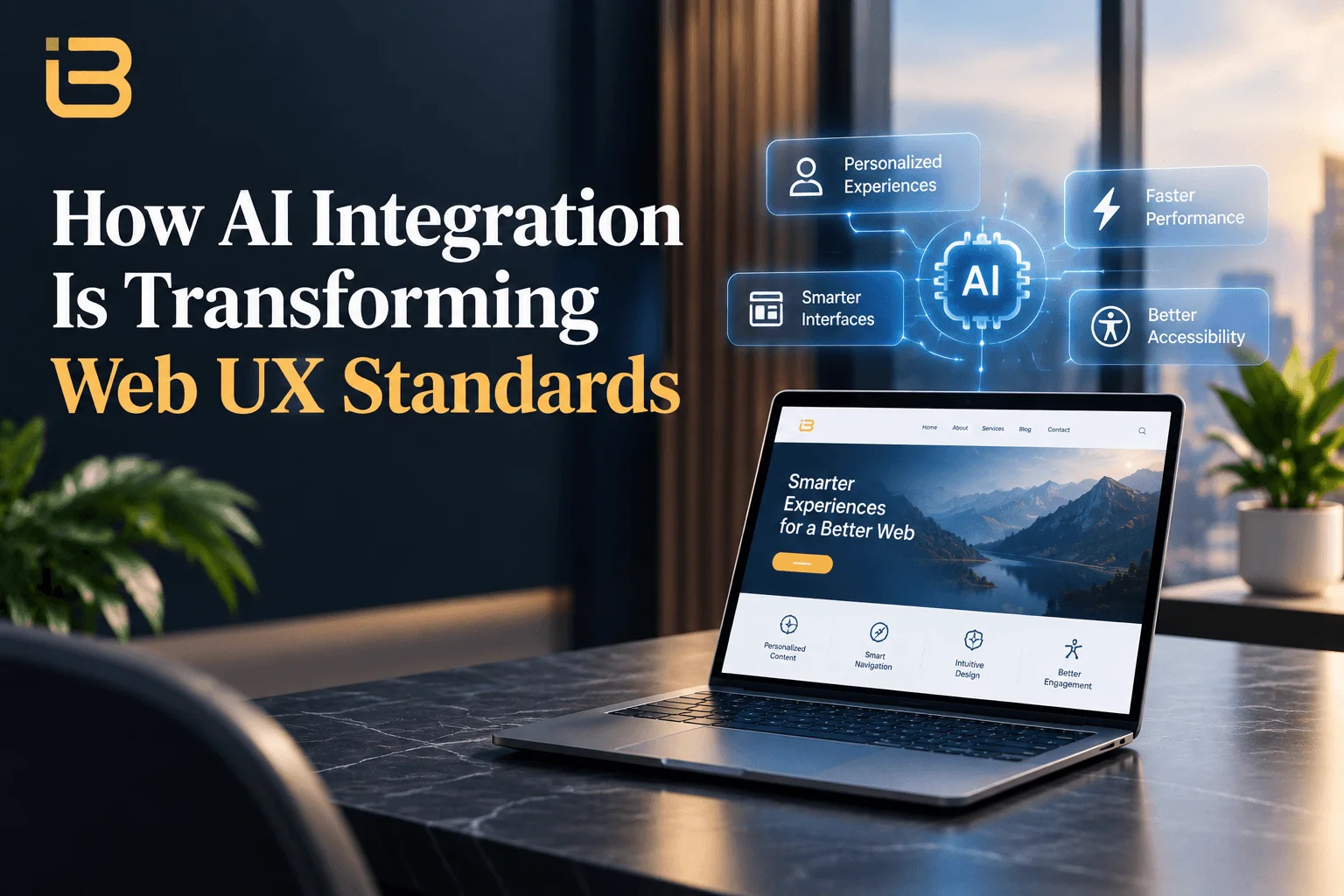
Today, artificial intelligence is driving the next major evolution in digital design. Modern website visitors no longer want static pages with generic navigation menus. Instead, they expect instant answers, personalized user journeys, and seamless digital interactions.
Integrating intelligent tools into custom web platforms fundamentally transforms user experience standards. Consequently, digital agencies and web developers must adapt to these changing expectations to build effective modern websites.
The Shift from Static Layouts to Dynamic Intelligence
Traditional web design relies heavily on static user journeys. Standard layouts show identical headlines, menus, and call-to-action buttons to every user who visits the homepage. While this structured approach worked well for many years, it often creates unnecessary friction for modern users seeking specific solutions.
Artificial intelligence fundamentally changes this paradigm by introducing real-time adaptability. When intelligent algorithms analyze user behavior, websites can dynamically adjust layouts, highlight relevant products, and tailor content to match specific user intent.
As a result, website visitors find what they need much faster. This shift reduces bounce rates while noticeably boosting engagement metrics across custom web builds.
4 Key Areas Where AI Elevates Website UX
To understand how user experience standards are changing, we must examine the specific areas where intelligent technologies are making the biggest impact on web interfaces.
1. Context-Aware Personalization
Instead of serving static content blocks, modern websites adapt dynamically based on visitor behavior. For example, returning visitors might see custom recommendations, tailored landing pages, or modified menu options based on their past activity. This personalized touch makes online interactions feel natural and intuitive.
2. Semantic Search and Natural Language Discovery
Standard site search tools frequently fail when visitors type conversational phrases or misspelled queries. However, machine learning algorithms process natural language to understand user intent behind searches. Consequently, users locate products or services effortlessly, even when using vague query terms.
3. Smart Conversational Interfaces
Basic, rule-based chatbots often frustrate users with repetitive canned responses. On the other hand, advanced conversational tools analyze context to deliver accurate answers, guide users through service options, and schedule consultations in real time. This immediate feedback elevates satisfaction while reducing site abandonment.
4. Automated Accessibility and Core Web Vitals
Creating inclusive web experiences requires strict compliance with modern accessibility standards. Smart algorithms automatically optimize image contrast, generate accurate alt text, and identify layout bottlenecks that slow down page loads. Therefore, custom websites maintain fast speeds and accessible design structures for every audience.
Why Agency Owners Need White-Label AI Capabilities
For digital agencies, keeping up with rapid technological changes presents both opportunities and operational challenges. Business clients increasingly request advanced digital features, including smart recommendation engines, custom search capabilities, and automated lead capture systems.
However, building complex custom integrations in house requires significant time, specialized developers, and continuous quality assurance testing. When internal development teams reach capacity limits, agencies risk missing project deadlines or turning down lucrative client accounts.
Partnering with a dedicated execution team solves this challenge quietly behind the scenes. By relying on a trusted white-label WordPress development agency, growing agencies deliver cutting edge websites under their own brand without increasing internal payroll costs.
Balancing Technology with Human Centric Design
While automated features bring immense value to modern websites, digital agency owners must remember that technology should enhance human interaction, not replace it entirely. Overloading a custom site with unnecessary widgets or invasive tracking elements quickly degrades user trust.
To maintain high user experience standards, keep these design principles in mind:
Ultimately, combining clean custom code with thoughtful user design produces online experiences that convert visitors into loyal clients.
The Future of Web Development for Digital Agencies
As we look ahead, the demand for intelligent, high performing websites will continue to grow. Digital agencies that embrace modern user experience standards will easily stand out from competitors offering basic template setups.
By combining strong design strategies with reliable development execution, agencies can confidently scale their client offerings. Embracing these new digital standards ensures your builds remain fast, engaging, and fully prepared for the future of web design.